Skincare loves a good shortcut, and that is exactly why so many people search for named routines like the 4-2-4 rule, the 7 Skin Method, the 60-second cleansing rule, or skin cycling. These rules are memorable because they simplify a crowded beauty world. Instead of guessing how long to cleanse, how much sunscreen to apply, or how often to use strong actives, you follow a practical framework and build consistency[cite: 5].
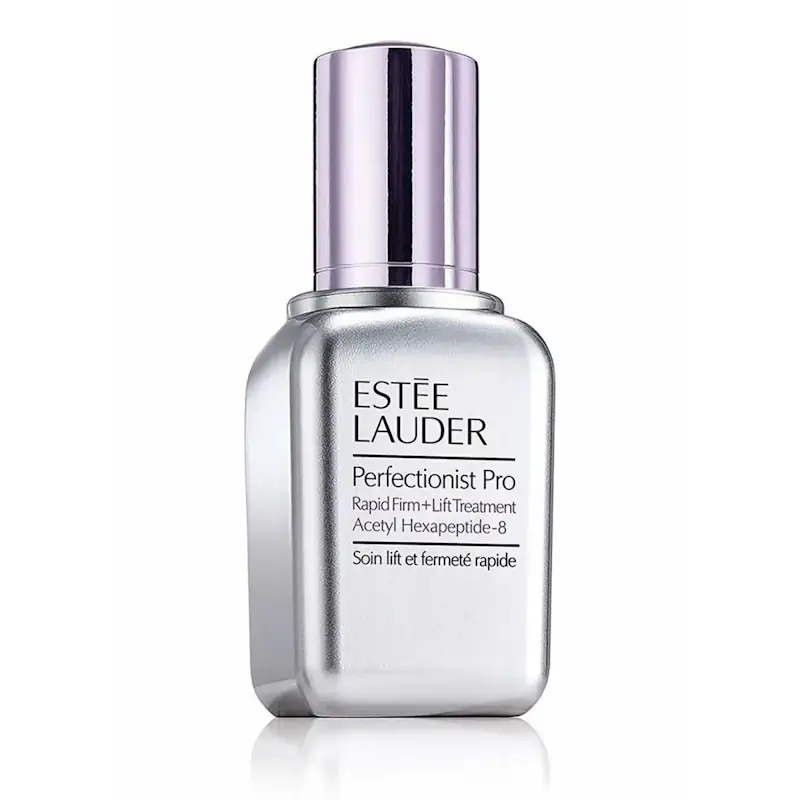
The best part is that most of these skincare rules are not about buying more. They are about using products in a smarter way[cite: 5]. A simple routine built from the right
skin care products can often do more for your skin than an expensive shelf full of random formulas[cite: 5]. Below are 10 of the most popular skincare rules, what they mean, who they suit best, and what kinds of products and brands fit them well[cite: 5].
1. The two-finger sunscreen rule
This is one of the most useful rules in skincare because it solves a common mistake: under-applying sunscreen[cite: 5]. The idea is simple. Squeeze sunscreen along the length of two fingers, then apply it to the face and neck[cite: 5]. This helps you get closer to the amount needed for the SPF on the label to perform properly[cite: 5]. It is the easiest rule to remember, and probably the most important for long-term skin health and anti-aging[cite: 5].
Example: In the morning, apply your serum and moisturizer first, then finish with a generous layer of SPF 30 or higher[cite: 5]. If you like elegant daytime layering, a lightweight serum from
Shiseido can sit beautifully under sunscreen[cite: 5].
2. The 4-2-4 rule
The 4-2-4 rule is a Korean-inspired cleansing method: 4 minutes of oil cleansing, 2 minutes of water-based cleansing, and 4 minutes of rinsing[cite: 5]. It is basically a more structured version of double cleansing[cite: 5]. This rule is popular with people who wear makeup, heavy sunscreen, or simply enjoy a deep end-of-day cleanse[cite: 5]. It is not essential for everyone, but it can feel luxurious and very thorough[cite: 5].
Example: Start with a cleansing oil or balm, massage it over dry skin, then follow with a gentle gel or foam cleanser[cite: 5]. Finish with a soft towel and a hydrating serum[cite: 5]. If you enjoy a polished, spa-like routine, a serum like
Estée Lauder Advanced Night Repair works nicely after a long cleanse because it brings hydration and comfort back to the skin[cite: 5].
3. The 1% rule
The 1% rule is different from most skincare rules because it is more about reading labels than building a routine[cite: 5]. In cosmetic ingredient lists, ingredients above 1% are generally listed in descending order[cite: 5]. Once a formula gets to ingredients at 1% or less, they can appear in any order after that point[cite: 5]. This matters when shoppers are trying to judge whether a trendy ingredient is actually present in a meaningful way[cite: 5].
Example: If a product clearly states a concentration on the front, such as a hyaluronic acid or retinol percentage, that can be more useful than chasing a long ingredient list[cite: 5]. A good example of this style is L'Oréal Revitalift Derm Intensives 1.5% Hyaluronic Acid Serum from
L'Oréal, which is easy to understand and easy to build into a beginner routine[cite: 5].
4. The 7 Skin Method
The 7 Skin Method is one of the most famous K-beauty rules[cite: 5]. Despite the name, it does not mean seven different products[cite: 5]. It means applying a hydrating toner or watery essence in several light layers, traditionally up to seven[cite: 5]. The goal is to build moisture gradually and create a plump, dewy look without jumping straight to a heavy cream[cite: 5]. Many people do three layers instead of seven, which is often enough[cite: 5].
Example: After cleansing, pat in a gentle alcohol-free hydrating toner three to seven times, then seal everything with moisturizer[cite: 5]. This works best with watery, soothing formulas, not exfoliating acids[cite: 5]. If you prefer a refined finish, a serum step from Shiseido after your toner layers can keep the routine elegant and light[cite: 5].
5. The 60-second cleansing rule
The 60-second cleansing rule became popular because so many people wash their face too quickly[cite: 5]. The idea is to massage your cleanser over damp skin for about one full minute[cite: 5]. That extra time helps break down sunscreen, makeup residue, oil, and daily buildup more evenly[cite: 5]. It can also improve how clean your skin feels before serums and moisturizers go on[cite: 5].
Example: Use a cream cleanser or gel cleanser at night, massage gently for 60 seconds, then rinse with lukewarm water[cite: 5]. If your skin tends to feel tight, follow with something barrier-friendly like Lancôme Advanced Génifique or Estée Lauder Advanced Night Repair rather than jumping straight to strong acids[cite: 5].
6. Thin-to-thick layering
This is one of the most universal skincare rules: apply products from the thinnest texture to the thickest[cite: 5]. In real life that usually means toner or essence first, then serum, then moisturizer, and SPF last in the morning[cite: 5]. The reason is simple[cite: 5]. Thin liquids absorb more easily when they are not blocked by richer creams or oils[cite: 5].
Example: A morning routine could look like hydrating toner, vitamin C serum, moisturizer, then sunscreen[cite: 5]. A good match for this style is
Lancôme Advanced Génifique if you want a silky serum step, or a lighter Shiseido serum if you prefer a more fluid finish[cite: 5].
7. Double cleansing
Double cleansing is the more practical cousin of the 4-2-4 rule[cite: 5]. First you use an oil-based cleanser, balm, or micellar water to loosen makeup, sunscreen, and sebum[cite: 5]. Then you use a water-based cleanser to wash away the remaining residue[cite: 5]. It is especially popular for evening routines and for anyone who wears SPF daily, which should be most people[cite: 5].
Example: Remove makeup with a balm, follow with a gentle cleanser, then move on to treatment and moisturizer[cite: 5]. If you want a routine that feels polished rather than harsh, follow with a smoothing serum like Lancôme Advanced Génifique or Shiseido Ultimune instead of piling on too many actives at once[cite: 5].
8. Skin cycling
Skin cycling is a structured 4-night approach that became extremely popular because it helps people use actives without wrecking their barrier[cite: 5]. Night one is exfoliation, night two is retinoid, and nights three and four are recovery nights with hydration and barrier care[cite: 5]. It is one of the smartest modern rules for beginners who want results but do not want to overdo acids and retinoids[cite: 5].
Example: On recovery nights, use a hydrating serum and moisturizer only[cite: 5]. This is where products like Estée Lauder Advanced Night Repair, Lancôme Advanced Génifique, Shiseido Ultimune, or L'Oréal Revitalift hyaluronic acid serum make sense because they support comfort and consistency rather than overloading the skin[cite: 5].
9. Slugging
Slugging means applying an occlusive layer as the last step of your nighttime routine to lock in moisture and reduce water loss[cite: 5]. It became famous on social media, but it is best suited to very dry, irritated, or barrier-compromised skin[cite: 5]. It is usually not the best choice for very oily or congestion-prone skin, especially if you already feel heavy from your evening products[cite: 5].
Example: After serum and moisturizer, seal dry areas with a thin layer of ointment[cite: 5]. Keep the rest of the routine simple[cite: 5]. If you enjoy richer body care and want to extend the same moisture-locking idea from face to body, Molton Brown body lotions and creams are a beautiful option after the shower[cite: 5].
10. The sandwich method
The sandwich method is most often used with retinol or retinoids[cite: 5]. You apply moisturizer first, then your retinol, then another layer of moisturizer on top[cite: 5]. This buffers the active and makes it easier for beginners or sensitive skin types to tolerate[cite: 5]. It is one of the best rules for people who want the benefits of retinol without jumping straight into redness, peeling, and panic[cite: 5].
Example: Apply a simple moisturizer, then a retinol serum, then another layer of moisturizer[cite: 5]. On nights when your skin feels a little stressed, replace extra actives with a recovery serum such as Estée Lauder Advanced Night Repair or Lancôme Advanced Génifique[cite: 5]. The goal is not maximum intensity[cite: 5]. The goal is staying consistent enough to keep using the active[cite: 5].
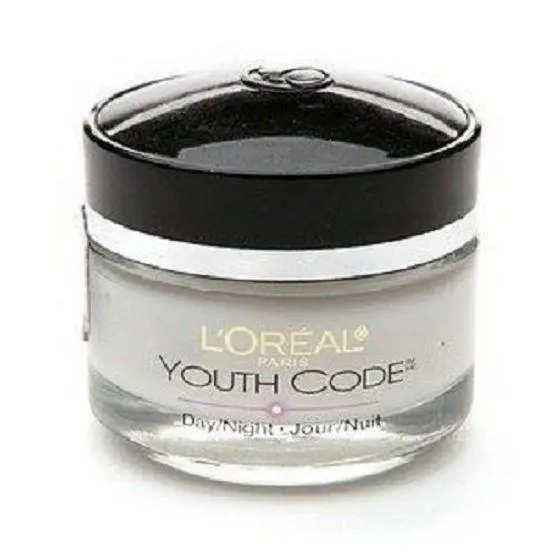 Which skincare rules matter most?
If you are a beginner, start with the rules that give the biggest payoff: the two-finger sunscreen rule, thin-to-thick layering, double cleansing at night when needed, and skin cycling if you plan to use acids or retinoids[cite: 5]. These rules improve routine quality without making skincare feel exhausting[cite: 5].
If you already enjoy skincare as a ritual, then the 7 Skin Method, the 4-2-4 rule, and occasional slugging can add a more indulgent feel[cite: 5]. The key is knowing the difference between a useful rule and a trendy rule[cite: 5]. Useful rules protect your skin barrier and improve consistency[cite: 5]. Trendy rules can still be fun, but they should fit your skin type and lifestyle[cite: 5].
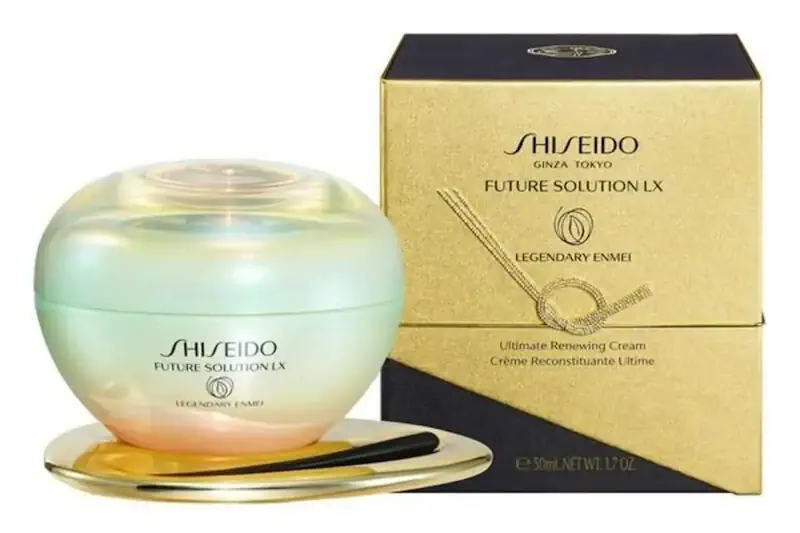 Final takeaway
The most popular skincare rules became popular for a reason: they make routines easier to understand[cite: 5]. Some teach you how much to apply[cite: 5]. Some teach you how long to cleanse[cite: 5]. Some teach you how to space out stronger actives[cite: 5]. And some, like the 1% rule, simply make you a smarter shopper[cite: 5].
The best approach is to borrow the rules that genuinely improve your skin[cite: 5]. Protect with sunscreen, cleanse thoroughly but gently, layer in the right order, and use recovery nights wisely[cite: 5]. That is how a skincare routine goes from confusing to effective[cite: 5].
FAQ: popular skincare rules
What is the most useful skincare rule for beginners?
For most beginners, the most useful rules are the two-finger sunscreen rule, thin-to-thick layering, and skin cycling because they help create a simple routine that protects skin and reduces irritation[cite: 5].
Is the 1% rule a routine rule?
Not really[cite: 5]. It is mostly a label-reading rule[cite: 5]. It helps you understand how ingredient lists are ordered and why front-of-pack percentages can sometimes be more informative[cite: 5].
Are all skincare rules good for every skin type?
No[cite: 5]. Slugging can feel too heavy for oily skin, and the 4-2-4 rule can be too much for very sensitive skin[cite: 5]. Choose the rule that matches your skin rather than trying every trend[cite: 5].
Which products work best for recovery nights?
Recovery nights usually work best with hydrating and barrier-supportive products such as hyaluronic acid serums, soothing serums, and moisturizers[cite: 5].