
WORLDWIDE SHIPPING

Choosing skin care products is less about finding one 'best' brand and more about matching texture, routine and tolerance to your own skin. A cream can be beautifully formulated and still feel wrong if it is too rich under sunscreen, while a light gel can be pleasant to apply but not comfortable enough for dry skin.
This comparison looks at the brands from that practical angle. We considered how rich or light the textures tend to feel, how easily products fit into a morning or evening routine, whether the brand is really focused on facial care or mainly body and lifestyle beauty, and how much you are paying for the application experience as well as the formula.
The guide covers Estée Lauder, Ralph Lauren, L'Oréal, Lancôme, Shiseido and Molton Brown. They do not all compete in the same way, which is precisely why the differences are useful.
Start with what your skin does during a normal day. Tightness after cleansing points in a different direction from midday oiliness. Frequent stinging or redness after new products is another signal to keep the routine simpler. Also decide whether your main goal is basic comfort, hydration, smoother texture, brightness or simply fewer steps.
Texture checks are often more informative than packaging. A richer cream should spread without dragging and should settle enough that sunscreen or makeup can be applied on top. A lighter lotion or gel should absorb without leaving the skin tight again ten minutes later. For sensitive skin, fragrance level and the number of new products introduced at once also deserve attention.
Choose the routine first and the brand second. That approach makes it easier to avoid paying for a beautiful jar that does not suit the way your skin behaves or the amount of time you are willing to spend every morning and night.
The six names here play different roles. Estée Lauder, Lancôme and Shiseido are established prestige beauty houses with broad facial-care ranges. L'Oréal is more accessible and easier to experiment with. Molton Brown is stronger in bath, body and hand care, while Ralph Lauren is better understood as a wider lifestyle and grooming brand than as a dedicated facial-skin-care specialist.
That distinction matters for trust. A brand can be excellent at fragrance, body lotion or gifting without being the first place to build a targeted facial routine. The comparison below keeps those roles separate rather than treating every beauty name as if it offered the same depth of skin care.
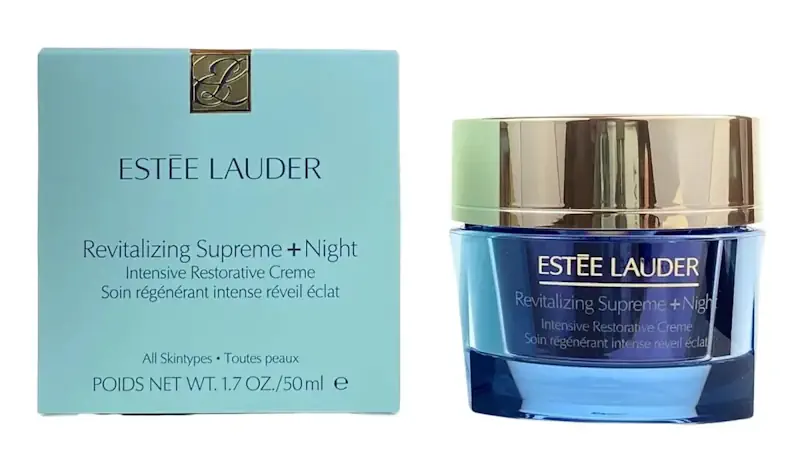
Estée Lauder is best suited to shoppers who enjoy a more substantial, polished skin-care experience. Many of the brand's well-known textures lean silky or cushioned rather than barely-there, which can feel especially comfortable in an evening routine or on skin that tends to feel dry.
In texture-focused checks, richer prestige formulas like these generally benefit from a little settling time before the next layer. If a cream leaves a noticeable film, give it several minutes before sunscreen or makeup rather than immediately stacking products. That richer feel can be a benefit for normal-to-dry skin and less appealing for someone who dislikes residue.
Best match: normal to dry skin, shoppers who enjoy richer textures, and anyone who values a more premium evening-routine experience. Product choice still matters within the brand, so do not assume every formula suits every skin type.
Lancôme offers a similarly premium experience but often feels more overtly beauty-led. Smooth textures, scented presentation and a polished counter-style identity are part of the appeal, especially for shoppers who want skin care to feel like a ritual rather than a clinical task.
That sensory side is also the point to check if your skin is reactive or you prefer fragrance-free products. A formula can feel elegant and still be the wrong choice for a particular person. Sample texture and scent when possible, then introduce one new product at a time instead of changing an entire routine in a weekend.
Best match: normal to dry skin, shoppers who prioritize comfort and glow, and people who enjoy classic prestige-beauty textures and presentation.
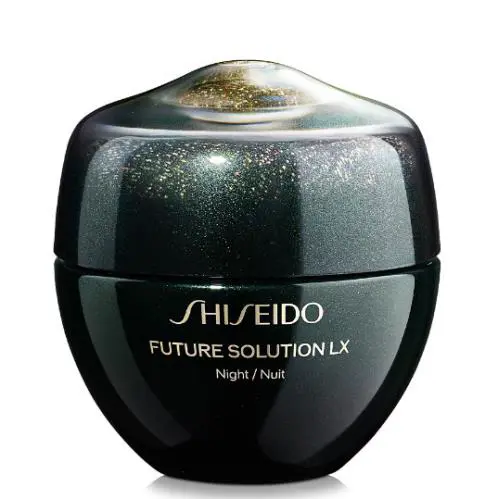
Shiseido is the strongest fit here for shoppers who want premium skin care with a lighter, more streamlined feel. The brand often favors emulsions, lotions and creams that spread easily and sit neatly in layered routines.
During application checks, lighter textures are easier to pair with sunscreen because they settle faster and create less pilling risk than a very rich cream. That does not make them automatically better, but it can be useful for combination skin or humid weather where a heavy finish becomes uncomfortable by midday.
Best match: normal to combination skin, shoppers who prefer lighter premium textures, and anyone who wants a refined routine without a heavy occlusive feel.
L'Oréal is the most practical entry point in this group because the price range and product variety make experimentation easier. It is a sensible place to learn whether your skin prefers a cream, lotion, serum or gel before spending prestige-level prices.
The advantage is not that every L'Oréal product will outperform a luxury formula. It is that a simple routine is easier to build and repurchase. Consistent cleanser, moisturizer and daily sunscreen usually matter more than owning several expensive products that are used irregularly.
Best match: beginners, budget-conscious shoppers and anyone who wants to test a simple routine before deciding where premium products genuinely add value.
Molton Brown belongs in a different part of the routine. Its strength is bath, body and hand care, where texture, scent and the overall sensory experience are central to the product.
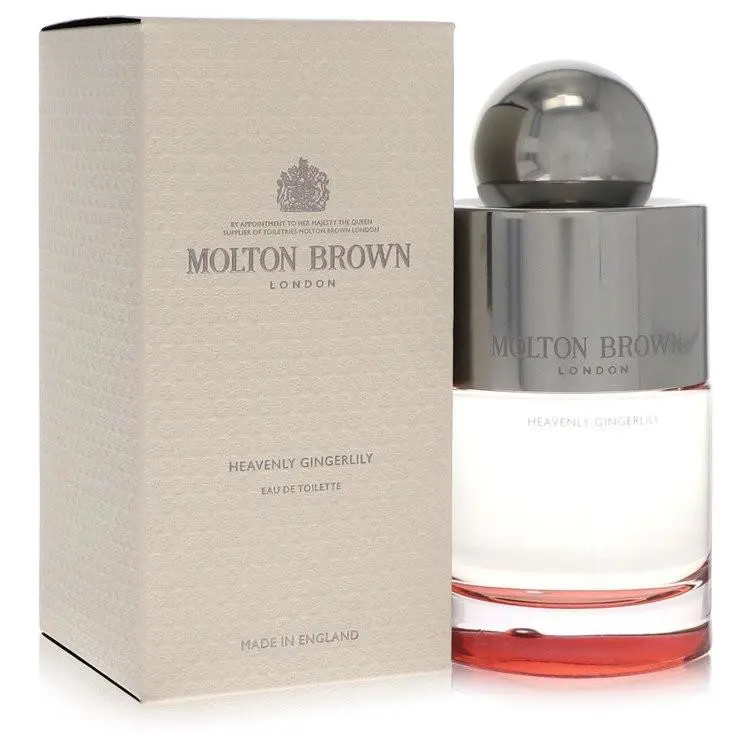
Body lotions and hand products from fragrance-led brands are often chosen partly for how they smell and how they leave the skin feeling after application. That can be enjoyable, but heavily scented body care is not the same thing as a targeted facial treatment. If the concern is persistent facial dryness, acne, sensitivity or irritation, a dedicated face-care range is the more appropriate starting point.
Best match: body-care lovers, gift shoppers and anyone who wants an elevated bath or hand-care ritual rather than a complete results-focused facial regimen.
Ralph Lauren skincare is the outlier in this comparison because Ralph Lauren is not broadly recognized as a skin-care-first house in the same way as Estée Lauder, Lancôme, Shiseido or L'Oréal.
Its relevance is mainly for shoppers buying into a wider brand world - fragrance, grooming, gifting and lifestyle presentation. If the goal is to address a specific facial-care need, the more established skin-care ranges above provide a clearer place to compare textures and treatment categories.
Best match: shoppers building a fragrance, grooming or lifestyle gift around the Ralph Lauren brand rather than people looking for a dedicated face-care system.
| Brand | Best for | General feel | Budget level | Best choice if you want... |
|---|---|---|---|---|
| Estée Lauder | Dry to normal skin, luxury routine lovers | Rich, polished, premium | Luxury | Elegant skin care with a more indulgent feel |
| Lancôme | Glow seekers, comfort-oriented shoppers | Soft, prestige, beauty-led | Luxury | Classic French beauty energy and smoother-feeling routines |
| Shiseido | Combination to normal skin, streamlined premium routines | Refined, modern, balanced | Luxury | Premium skin care with lighter, elegant textures |
| L'Oréal | Beginners and value-focused shoppers | Practical, broad, accessible | Affordable to mid-range | An easy entry point with everyday usability |
| Molton Brown | Body care and bath ritual shoppers | Luxurious, scented, giftable | Premium | Elevated self-care beyond just the face |
| Ralph Lauren | Lifestyle beauty and fragrance-oriented shoppers | Classic, polished, brand-driven | Premium | Brand identity, grooming style, and beauty gifting |
If your skin is dry or you enjoy a richer night routine:
Estée Lauder or Lancôme are the logical starting points. Sample the texture first and make sure the product settles comfortably before you build multiple layers around it.
If your skin is combination or you dislike heavy textures:
Shiseido is the strongest fit in this group. Lighter emulsions and creams are generally easier to layer in warm weather or under sunscreen, although the exact formula still matters.
If you are new to skin care or watching budget carefully:
L'Oréal gives you more room to experiment. Start with a basic cleanser, moisturizer and sunscreen, then add one treatment only when you know what problem you are trying to solve.
If your routine includes body lotion, bath products and hand care:
Molton Brown is the most relevant name here. Treat it as body-care and sensory self-care rather than as the center of a facial treatment plan.
If you are shopping by brand identity or gifting:
Ralph Lauren can fit that purpose, particularly alongside fragrance or grooming products, but it is not the clearest choice for building a targeted facial routine.
The most common mistake is changing too much at once. If a five-product routine causes irritation, it becomes difficult to know which formula is responsible. Introduce one new product at a time, patch test when appropriate and give your skin enough time to show whether the texture and frequency are comfortable.
Prestige is another poor shortcut. Expensive does not automatically mean more suitable. A routine you can tolerate and use consistently is more valuable than an elaborate one that pills, feels greasy or makes you stop after a week. Daily sunscreen is also a more important foundation than chasing every new treatment. If a product causes persistent burning, swelling or a rash, stop using it and seek professional advice.
How do I choose the best skin care brand for my skin type?
Start with skin behavior and your main goal, then compare individual formulas rather than assuming an entire brand has one texture. Dry skin often prefers more cushioning; oily or combination skin may prefer lighter layers; reactive skin generally benefits from slower changes.
Is luxury skin care always better than affordable skin care?
No. Luxury products may offer refined textures, packaging and a more sensory experience, but an affordable formula can be the better choice if it suits your skin, layers well and is easy to use consistently.
Which brand here is best for beginners?
L'Oréal is the easiest place to begin because the range is broad and the price makes trial and error less costly. Keep the first routine simple rather than buying several active products at once.
Which brand feels most luxurious?
Estée Lauder, Lancôme and Shiseido all offer premium experiences in different ways. Molton Brown feels especially luxurious in scented bath, body and hand care rather than as a facial-skin-care specialist.
Is Molton Brown a face-care first brand?
No. Its clearest strength is bath, body and hand care. For a facial routine built around specific concerns, compare dedicated face-care products from brands with deeper skin-care ranges.
The right choice depends on both skin and routine. Estée Lauder suits richer prestige routines; Lancôme emphasizes polished sensory luxury; Shiseido is strong for lighter premium layering; L'Oréal is the most practical starting point; Molton Brown is strongest in body care; and Ralph Lauren fits best within a wider lifestyle and grooming purchase.
Whichever brand you choose, judge the product by what happens after application: whether it feels comfortable an hour later, whether it layers cleanly with sunscreen or makeup, and whether you can use it consistently without irritation or frustration. Those are better signals than packaging or prestige alone.

| OPTION | ||||
| STANDARD | FREE | N/A | 4-9 Business Days | N/A |
| REGISTERED | $9 | $25 | 3-7 Business Days | 5-21 Business Days |
| EXPRESS | $29 | $45 | 2-7 Business Days | 3-9 Business Days |
* DAS and CES may apply.
DAS: There are certain locations in the world where the shipping carriers charge extra fees to deliver packages to these locations. These fees are called DAS (Delivery Area Surcharge) and are usually charged by the carrier in areas that are less accessible for pickups and deliveries.
CES: There are certain cases where the shipping carriers charge extra fees to deliver packages for several reasons, for example: exceeding certain dimensions or weight, perfumes, etc. These fees are called CES (Courier Extra Surcharge).
Handling time: Our handling time is 1-3 business days after the payment has been received.
Import Fees: Any customs or import duties are charged once the parcel reaches its destination country must be paid by the recipient of the parcel. We have no control over these charges and cannot predict what they may be. Customs policies vary widely from country to country. You can contact your local customs office for further information.
For some countries, we calculate Duty VAT, Taxes, etc. following the laws and import regulations of the destination country. These fees are calculated based on destination, item type, and country of origin, manufacture or assembly.