
WORLDWIDE SHIPPING

If you've ever shopped for a decent pair of sunglasses, you've probably come across the same choice: polarized or regular lenses? Polarized sunglasses usually cost a little more, and they're often marketed as the "better" option. But are they actually worth paying extra for?
In many cases, yes. Polarized lenses can make a surprisingly big difference, especially when you're driving, spending time near water or dealing with strong sunlight bouncing off reflective surfaces. Put on a good pair by the sea on a bright afternoon and the difference can be obvious almost immediately.
That doesn't mean everyone needs them, though. There are situations where regular sunglasses work perfectly well, and a few where polarization can actually be inconvenient.
So before automatically choosing the polarized version of a frame, it helps to understand what polarization actually does - and what it doesn't do.
The main job of polarized lenses is simple: reduce glare.
Sunlight normally reaches us from all sorts of directions. But when it hits a relatively flat surface - water, a wet road, snow, glass or even the hood of a car - a lot of that light can reflect toward your eyes in a much more concentrated way. That's the harsh, bright glare that makes you squint even when you're already wearing sunglasses.
Polarized lenses contain a special filter designed to block much of this reflected light.
Water is probably the easiest place to notice the effect. Imagine standing beside a lake or the ocean on a bright afternoon. With ordinary dark sunglasses, everything gets darker, but you can still have a sheet of bright glare sitting across the surface of the water. Put on polarized sunglasses and much of that glare disappears. Suddenly, the water looks clearer and you may be able to make out rocks, plants or other details below the surface that were difficult to see a moment earlier.
That's exactly why polarized sunglasses are so popular with anglers, boaters and people who spend a lot of time around water. But water isn't the only place where they help.
The easiest way to think about it is that regular sunglasses mainly deal with brightness, while polarized sunglasses also deal with reflected glare.
A normal tinted lens reduces the amount of visible light reaching your eyes. On a bright day, that alone can make being outside much more comfortable. Polarization adds another layer by filtering out much of the glare reflected from horizontal surfaces.
There's also an important distinction that sometimes gets lost: polarization and UV protection are not the same thing.
A lens can be very dark without being polarized. More importantly, polarization itself doesn't tell you how much UVA and UVB protection a pair of sunglasses provides. UV protection should always be one of the first things you check when buying sunglasses, whether the lenses are polarized or not.
Think of polarization as an extra feature. If glare is a problem in the places where you normally wear sunglasses, it can be a very useful one.
The obvious advantage is glare reduction, but that one benefit can change the way sunglasses feel in several different situations.
Take driving. On a sunny day, light bouncing off the road, the windshield of the car in front of you or a wet stretch of asphalt can be surprisingly distracting. Polarized lenses won't magically solve every visibility problem on the road, but reducing those reflections can make the view ahead feel cleaner and more comfortable.
The difference can be even greater around water. Surface glare is one of the reasons it's so difficult to see into a lake or the sea in bright sunlight. By cutting a large amount of that reflection, polarized sunglasses can help you see what's happening beneath the surface. For fishing, that's a genuinely useful advantage rather than simply a matter of comfort.
This is also why brands such as Costa Del Mar and Maui Jim are so closely associated with fishing, boating and other water-based activities.
Another benefit is the way a scene can look through a good polarized lens. With less reflected light competing with everything else, details can appear more defined and colors may look richer. On a bright day at the beach, on a boat or out on an open road, the view can simply feel easier on the eyes.
And that matters if you're outdoors for hours. Constantly squinting against glare gets tiring. Reducing it can make a long drive, a day of fishing or an afternoon at the beach considerably more pleasant.
Polarized lenses aren't perfect, and this is where the answer becomes a little more interesting than "polarized is always better."
The best-known drawback involves LCD and some digital displays. Polarized lenses can interact with the filters used in certain screens. Depending on the screen and the angle you're viewing it from, the display may look darker, change color or, in some cases, become very difficult to see.
You may notice this with certain phones, older navigation systems, dashboard displays, boat instruments and other electronic screens. Plenty of modern screens remain easy to read, so it's not a universal problem. Still, if you regularly need to look at a particular display while wearing sunglasses, it's worth checking before buying.
There are also specialized situations where removing reflections isn't necessarily desirable. Pilots, for example, may need to read instrument displays clearly, and polarization can sometimes interfere with those displays or alter useful visual reflections. That's one reason polarized lenses are not automatically the right choice for aviation.
Then there's price. The polarized version of a popular frame often costs more than the standard version. If you mostly wear sunglasses while walking around town and rarely encounter serious glare, you may simply decide that you don't need to pay extra for it.
And finally, the word "polarized" shouldn't distract you from everything else that makes a good pair of sunglasses. A polarized lens can still be uncomfortable, poorly made or optically disappointing. Fit, lens quality, UV protection and frame construction still matter.
A good rule is to think about how much reflected light you encounter rather than simply how sunny it is.
If you drive a lot during the day, polarized sunglasses can be particularly useful. Reflections from asphalt, wet roads and other vehicles are exactly the type of glare polarization is designed to reduce.
If you fish, the argument becomes even stronger. Being able to reduce surface glare and see more clearly into the water is one of the most practical uses of polarized lenses.
The same applies to boating and sailing. You're surrounded by a huge reflective surface for hours, so controlling glare can make a noticeable difference.
Beach days are another obvious example. You're dealing with bright sunlight, reflective water and sand at the same time. Polarized sunglasses can be much more comfortable in those conditions than an ordinary dark lens.
They're also worth considering for hiking, walking and general outdoor use, particularly if you spend time in bright, open environments. Snow can create extremely strong reflections as well, although eyewear for specific winter sports should always be chosen with the requirements of that activity in mind.
Sometimes you simply don't need polarization.
If most of your sunglasses use involves walking around town, going to a cafe, shopping or spending relatively short periods outdoors, a quality pair of regular sunglasses with good UV protection may be more than enough.
Regular lenses can also make more sense if you constantly use a screen that becomes difficult to read through polarized lenses.
Style matters too. Maybe you've found a particular gradient lens, color or frame combination that you love and it isn't available polarized. There's no reason to reject it purely because of that.
A good non-polarized lens isn't a second-rate lens. Polarization solves a specific problem. If that problem isn't particularly relevant to the way you use your sunglasses, you don't necessarily need it.
There's no single "best" polarized frame because someone buying sunglasses for fishing has very different priorities from someone looking for a stylish pair for driving and everyday wear.
These five models show just how different polarized sunglasses can be - from classic lifestyle frames to sunglasses built around demanding outdoor conditions.
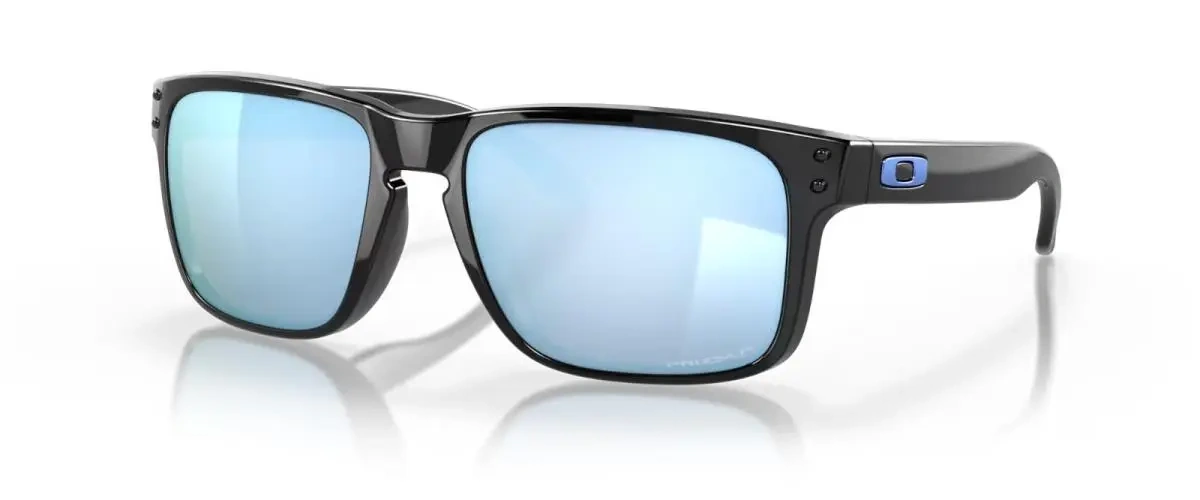
The Oakley Holbrook Polarized is a good example of a frame that sits somewhere between everyday style and sports eyewear. It has enough of Oakley's performance character to feel at home outdoors, without looking like a pair of dedicated cycling or running sunglasses.
That's what makes the Holbrook such an easy option for people who don't want different sunglasses for every activity. You can wear them for a drive, take them on vacation, walk around town and still use them for a casual day outdoors.
The polarized versions make particular sense if a lot of that time is spent behind the wheel or in bright, reflective environments.
Best suited to: everyday wear, driving, travel and casual outdoor activities.
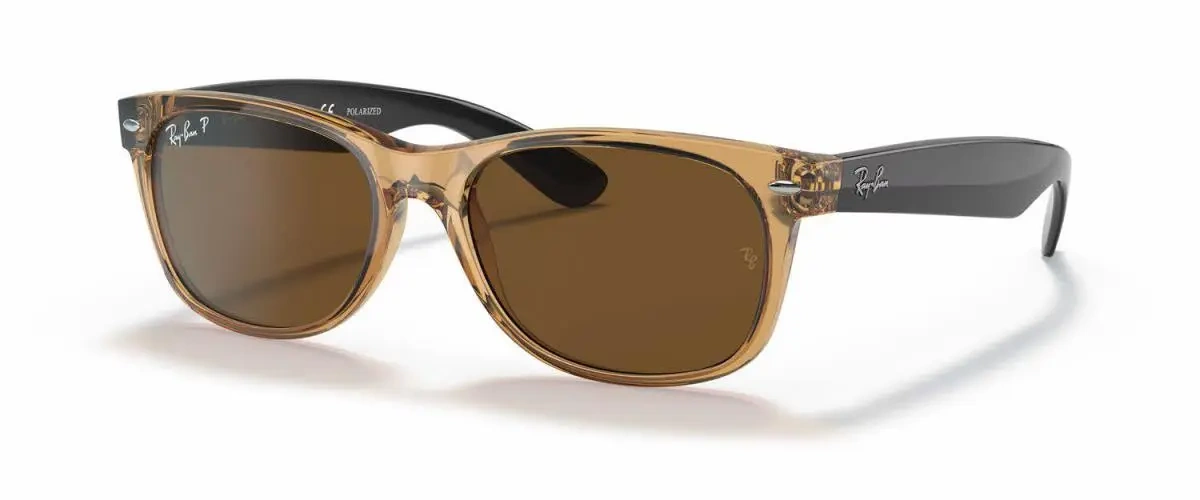
The Ray-Ban RB2132 New Wayfarer Polarized is for someone who wants the benefits of polarization but doesn't particularly want to look like they're wearing performance sunglasses.
The New Wayfarer takes the familiar Wayfarer idea and gives it a slightly softer, more compact shape. It's easy to wear with everyday clothes and doesn't look out of place whether you're in the city, sitting at a beach bar or getting into the car for a weekend trip.
Adding polarized lenses makes an already versatile lifestyle frame more useful for driving, vacations and sunny days around water.
Best suited to: everyday wear, city use, driving, vacations and casual beach use.
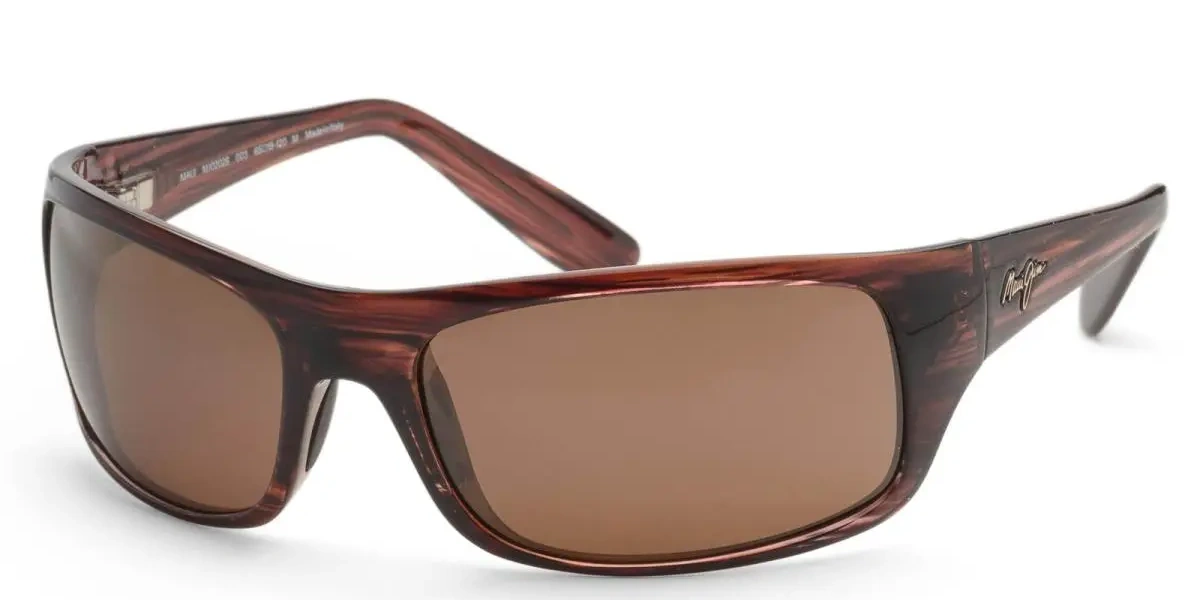
The Maui Jim Peahi has a very different personality. This is a larger, wraparound-style frame that makes much more sense when coverage and protection from bright surroundings are high on your list.
Around water, that extra coverage is useful. Sunlight isn't only coming straight toward you - it's bouncing off the water and reaching your eyes from different directions. A more substantial frame helps limit some of that peripheral light while the polarized lenses deal with surface glare.
That's why the Peahi feels particularly at home on a boat, near the beach or during long days outside. It can also be a strong choice for drivers who prefer a larger, more protective frame.
Best suited to: boating, fishing, driving, beach activities and long periods outdoors.
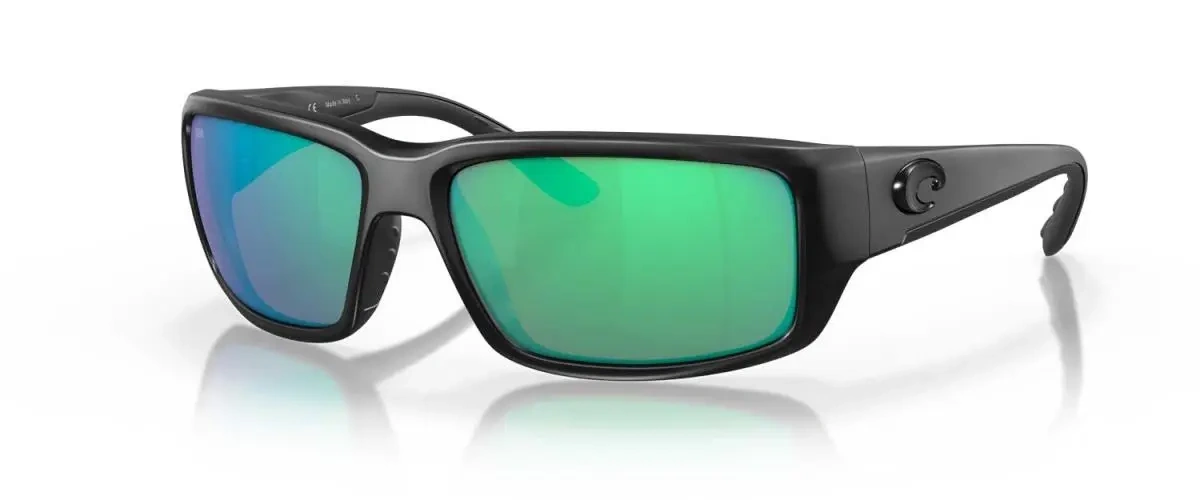
If fishing is the reason you're shopping for polarized sunglasses in the first place, the Costa Del Mar Fantail is the kind of frame that shows why polarization matters so much on the water.
Costa's identity has long been closely tied to anglers and life around the water, and the Fantail follows that performance-first approach. Its shape provides substantial coverage, while the polarized lenses tackle the glare sitting across the surface of the water.
That combination can help an angler pick out details below the surface that would otherwise be hidden behind reflections. If you're only walking around the city, that level of specialization may be more than you need. Spend hours on a fishing boat, though, and the priorities make much more sense.
Best suited to: fishing, boating and other water-based outdoor activities.
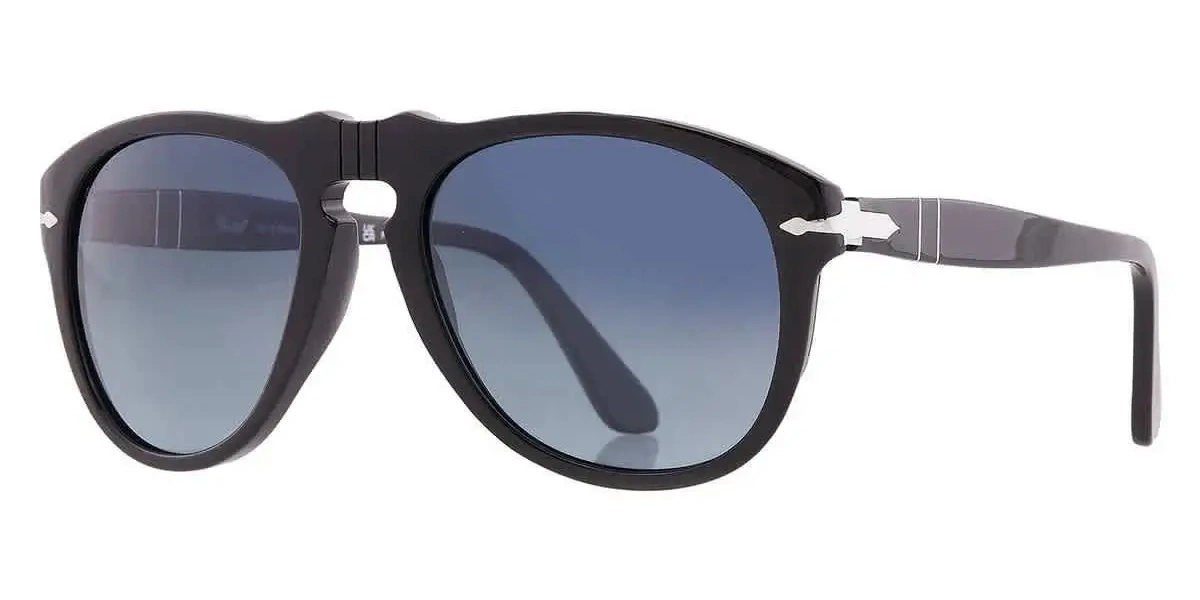
The Persol PO0649 Polarized proves that polarized sunglasses don't have to look remotely sporty.
The PO0649 is all about classic, distinctive Italian-inspired styling. In a polarized version, you get that same recognizable lifestyle look while adding the glare reduction that can be useful when driving, traveling or spending a sunny afternoon outdoors.
For someone who likes the practical benefits of polarization but would rather wear a premium fashion frame than wraparound performance eyewear, it's an interesting middle ground.
Best suited to: everyday wear, driving, travel and premium lifestyle use.
The answer really comes down to where you wear your sunglasses.
If you're regularly behind the wheel, out fishing, spending weekends on a boat or constantly dealing with sunlight reflecting from water and roads, polarization can be one of those upgrades you quickly get used to. Once the glare disappears, going back to ordinary lenses in the same conditions can be noticeable.
If your sunglasses mostly come out for a walk around town, lunch outside or the occasional sunny afternoon, a well-made pair of regular sunglasses with proper UV protection can do the job perfectly well.
In other words, don't buy sunglasses simply because the word "polarized" is printed on the description. Start with the things that always matter: UV protection, optical quality, a comfortable fit and a frame that actually suits how you plan to use it.
Then think about glare.
If Saturday means several hours on a fishing boat, something like the Costa Del Mar Fantail or Maui Jim Peahi makes a lot of sense. If you're looking for sunglasses that will spend more time driving around town, traveling and being worn every day, the Oakley Holbrook Polarized, Ray-Ban New Wayfarer Polarized or Persol PO0649 Polarized may fit naturally into that role.
Polarization isn't something everyone needs, and that's really the point. It's a feature designed to solve a particular problem. If glare is part of your everyday life, polarized lenses can make a real difference. If it isn't, a good pair of regular sunglasses may be all you need.

| OPTION | ||||
| STANDARD | FREE | N/A | 4-9 Business Days | N/A |
| REGISTERED | $9 | $25 | 3-7 Business Days | 5-21 Business Days |
| EXPRESS | $29 | $45 | 2-7 Business Days | 3-9 Business Days |
* DAS and CES may apply.
DAS: There are certain locations in the world where the shipping carriers charge extra fees to deliver packages to these locations. These fees are called DAS (Delivery Area Surcharge) and are usually charged by the carrier in areas that are less accessible for pickups and deliveries.
CES: There are certain cases where the shipping carriers charge extra fees to deliver packages for several reasons, for example: exceeding certain dimensions or weight, perfumes, etc. These fees are called CES (Courier Extra Surcharge).
Handling time: Our handling time is 1-3 business days after the payment has been received.
Import Fees: Any customs or import duties are charged once the parcel reaches its destination country must be paid by the recipient of the parcel. We have no control over these charges and cannot predict what they may be. Customs policies vary widely from country to country. You can contact your local customs office for further information.
For some countries, we calculate Duty VAT, Taxes, etc. following the laws and import regulations of the destination country. These fees are calculated based on destination, item type, and country of origin, manufacture or assembly.