
WORLDWIDE SHIPPING

When shopping for sunglasses or eyeglasses, it's easy to get caught up in the design. You find a shape you like, choose a color, check the brand, and you're almost ready to buy. But there's one detail worth looking at before making your decision: what the frame is actually made of.
Frame materials can make a surprisingly big difference. They affect how heavy your glasses feel, how comfortably they sit on your face, how much bending they can handle, and how well they hold up over time.
A stylish acetate frame might be perfect for everyday wear, but not necessarily the best option for running or cycling. Titanium can be wonderfully light and comfortable, while nylon and TR90 are often better suited to an active lifestyle.
And here's something worth knowing: a more expensive material doesn't always mean a better pair of glasses.
So how do you choose? Let's take a closer look at the most common materials used in sunglasses and eyeglass frames, what makes each one different, and which is likely to work best for you.
There's no single winner, but some materials stand out for particular uses.
Titanium is an excellent all-around choice for lightweight, durable prescription glasses. Acetate is hard to beat for style and color variety, while TR90 and nylon are particularly practical for sports and outdoor activities.
If you're looking for something affordable, stainless steel offers a good balance of strength and price. Aluminum and carbon fiber are also worth considering, especially if you like modern, lightweight designs.
Here's how the main materials compare:
| Frame material | Main advantage | Main drawback | Best suited for |
|---|---|---|---|
| Acetate | Colors, patterns and style | Less flexible | Fashion and everyday wear |
| Titanium | Lightweight and durable | Higher price | All-day prescription glasses |
| Stainless steel | Strong and affordable | Heavier than titanium | Everyday metal frames |
| Aluminum | Lightweight, modern appearance | Difficult to adjust | Designer sunglasses |
| Carbon fiber | Lightweight and rigid | Difficult to repair | Premium technical eyewear |
| TR90 | Flexible and comfortable | Limited adjustability | Sports and travel |
| Nylon | Lightweight and resilient | Quality varies by formulation | Outdoor sunglasses |
| Polycarbonate | Good impact resistance | Can be relatively rigid | Selected protective frames |
| Memory metal | Bends and returns toward its shape | Specialized repairs | Active everyday use |
| Monel | Affordable and adjustable | May contain nickel | Budget metal frames |
Of course, material is only part of the story. The design, hinges, fit and overall construction matter just as much.
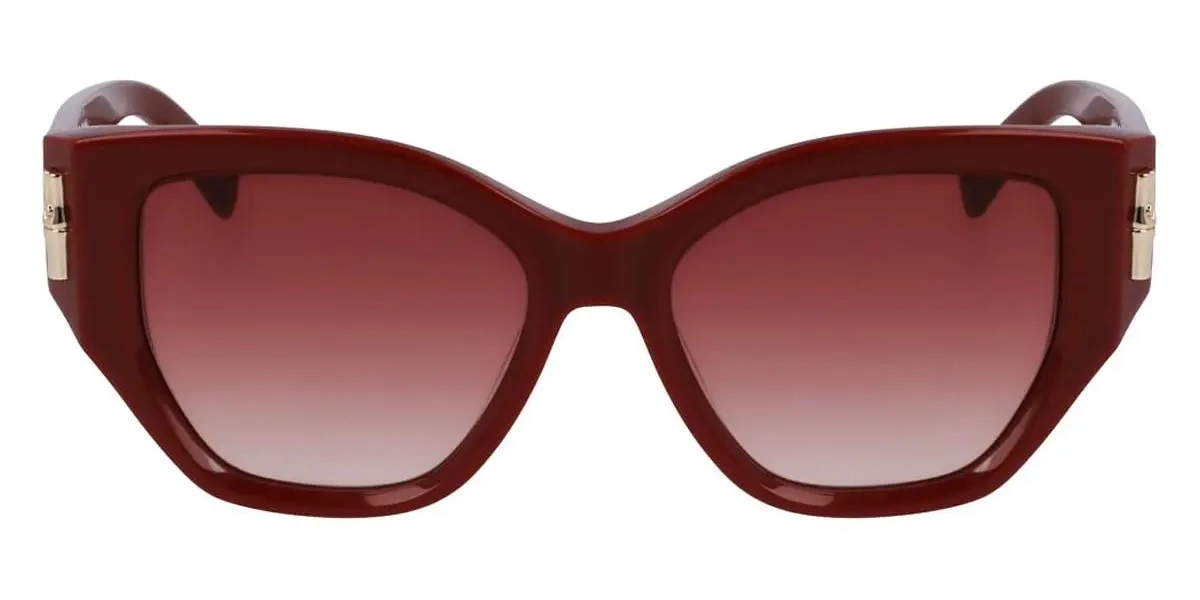
If you've ever admired a pair of tortoiseshell sunglasses or thick, colorful designer frames, there's a good chance they were made from acetate.
Acetate is a cellulose-based plastic that's particularly popular in fashion eyewear. One of its biggest advantages is the freedom it gives designers. It can be produced in rich colors, translucent finishes and layered patterns that are difficult to achieve with metal.
It's also a comfortable option for everyday use, provided the frame fits properly.
What makes acetate a good choice?
What should you watch out for?
Acetate isn't especially flexible, so it won't tolerate repeated bending as well as TR90 sunglasses or some nylon frames. Thicker designs can also feel heavy, particularly when combined with prescription lenses.
Heat is another consideration. Leaving acetate glasses on a hot car dashboard, for example, can cause them to lose their shape.
Who should choose acetate? Anyone who wants fashionable sunglasses or comfortable everyday eyeglasses with plenty of personality. It's a particularly good choice when appearance matters just as much as practicality.
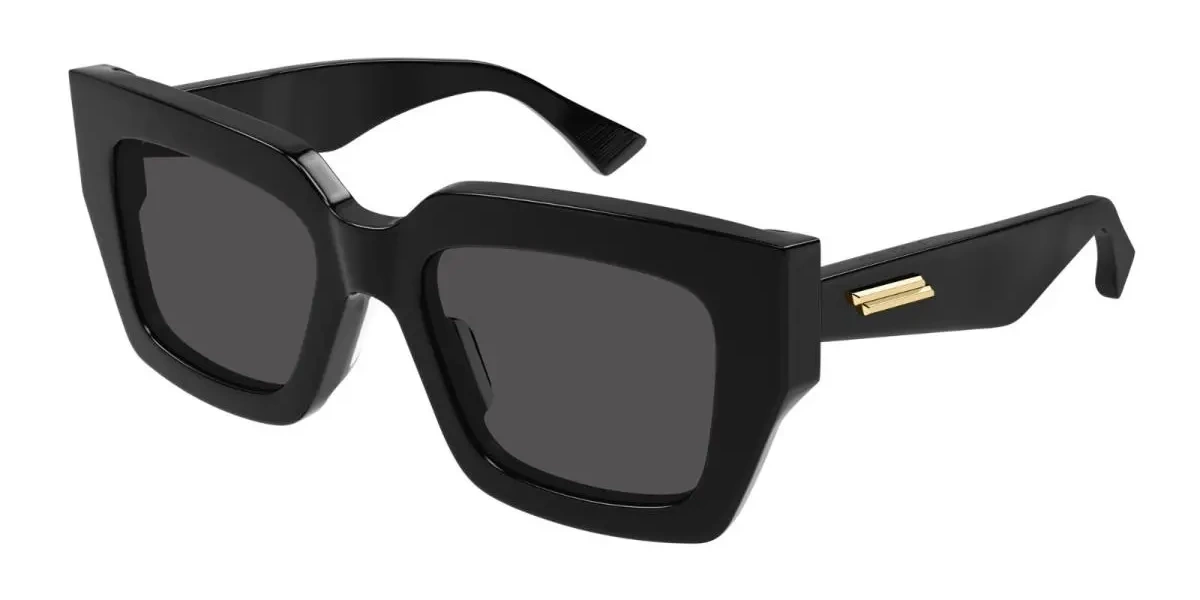
For people who wear prescription glasses from morning until night, titanium is well worth considering.
It's strong, lightweight and highly resistant to corrosion. That combination makes it particularly appealing for thin, minimalist frames that don't feel bulky on your face.
Another advantage is its resistance to perspiration and moisture. Pure titanium is also generally well tolerated by people with nickel sensitivities, although it's important to check the other frame components.
The advantages of titanium:
The main drawback is the price. Titanium frames generally cost more than conventional metal or plastic alternatives.
Repairs can also be more complicated, depending on how the frame is constructed.
Who should choose titanium? If you wear glasses all day, prefer a lightweight frame and don't mind paying more for quality, titanium is one of the best options available.
You'll sometimes see frames advertised as beta titanium rather than pure titanium.
The difference is mainly in flexibility. Beta titanium is a titanium-based alloy that can offer more springiness, particularly in thin temples and other flexible parts of the frame.
Neither is automatically better. Pure titanium offers excellent strength and corrosion resistance, while beta titanium can be useful when a little extra flexibility improves the fit.
Not everyone needs to spend extra on titanium. Stainless steel is a practical alternative that delivers strength, durability and a clean metal appearance at a generally more affordable price.
It's commonly found in classic aviator sunglasses, thin prescription frames and simple, elegant designs.
Why choose stainless steel?
The biggest trade-off is weight. Stainless steel is denser than titanium, so comparable frames will usually be heavier.
Some stainless steel alloys also contain nickel, which is worth checking if you have sensitive skin.
Who should choose stainless steel? It's a sensible option for anyone who likes the appearance of metal frames but wants to keep the price reasonable.
Aluminum isn't as common as acetate or stainless steel, but it has found a place in contemporary and premium eyewear.
It's naturally lightweight and can be finished in attractive colors and textures. Designers often use it to create frames with sharp lines and a distinctive, modern appearance.
Advantages of aluminum:
However, aluminum tends to be relatively rigid in many frame designs. It doesn't offer the same flexibility or adjustment possibilities as acetate or some other metals.
If an aluminum frame doesn't fit comfortably from the start, adjusting it may be difficult. It can also bend permanently under excessive force.
Who should choose aluminum? People who appreciate modern design and lightweight metal sunglasses. Just make sure the fit is right before buying.
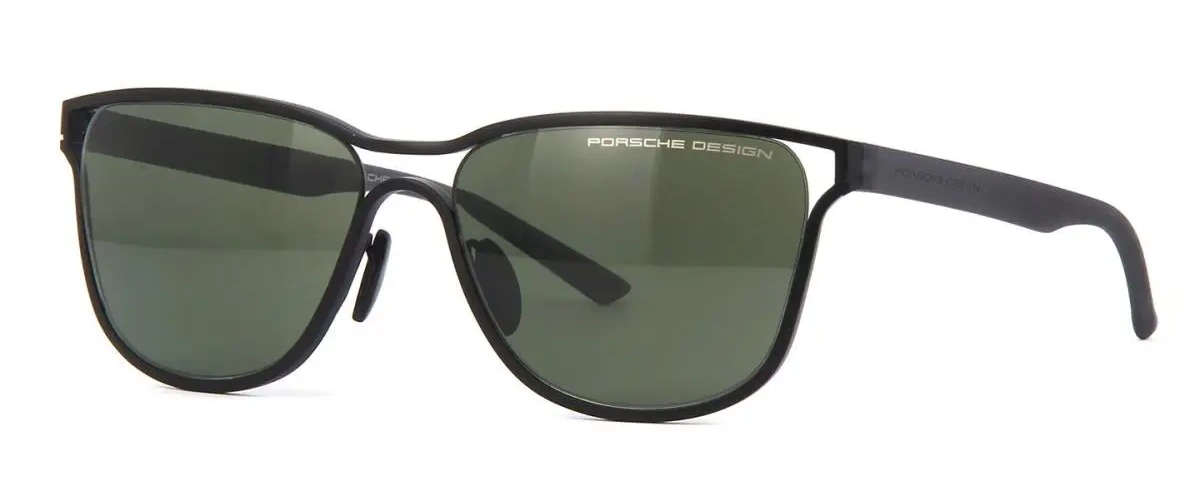
Carbon fiber is best known for its use in high-performance equipment, but it's also found in premium eyewear.
Technically, carbon fiber frames are made from a composite material, with carbon fibers held together by a resin. This construction can provide excellent stiffness and strength relative to weight.
It also creates a distinctive appearance that appeals to people who like technical, modern designs.
What makes carbon fiber interesting?
There are limitations, though.
Carbon fiber is generally more rigid than flexible sports plastics. Under certain types of impact, it can crack or delaminate rather than bend.
It's also difficult to adjust or repair, and carbon fiber frames tend to be expensive.
Who should choose carbon fiber? Someone looking for lightweight, premium eyewear with a technical appearance.
It's an interesting material, but don't assume it's automatically stronger or more practical than titanium. For sports requiring flexible frames, nylon or TR90 may be the better choice.
If you're buying sunglasses for running, cycling, hiking or travel, TR90 deserves a place near the top of your list.
TR90 is a lightweight thermoplastic commonly associated with Grilamid TR90, a type of polyamide. It's popular because it combines low weight with flexibility, making it useful for frames that need to handle movement and everyday stresses.
Why people like TR90:
TR90 frames do have some drawbacks. Certain designs offer limited adjustment possibilities, and the finish may not feel as premium as polished acetate or metal.
They're also not indestructible. Excessive heat or force can still cause damage.
Who should choose TR90? Runners, cyclists, hikers, frequent travelers and anyone who wants lightweight sunglasses that can handle an active day.
For this kind of use, a good TR90 frame can be more practical than a much more expensive designer frame.
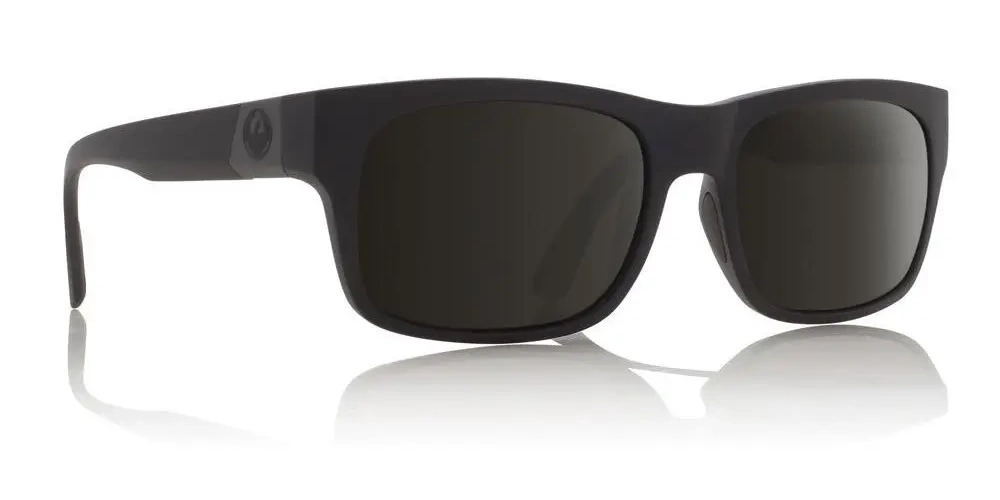
Nylon is another popular material in performance sunglasses, particularly in curved and wraparound designs.
Specialized nylon formulations can provide a useful combination of flexibility, low weight and resistance to everyday stresses.
This makes them well suited to outdoor activities, where glasses need to stay comfortable and secure while you're moving.
Advantages of nylon frames:
The downside is that not all nylon frames perform the same way. Material formulations vary, and some can be affected by prolonged exposure to heat or moisture.
Nylon frames may also be difficult to adjust.
Who should choose nylon? Cyclists, runners, hikers, anglers and anyone who spends plenty of time outdoors.
One important detail: TR90 belongs to the polyamide family, so TR90 and nylon aren't entirely separate categories. The specific formulation and frame design are often more important than the material name on its own.
Polycarbonate is probably better known as a lens material, but it's also used in certain types of eyewear frames.
Its main attraction is impact resistance. It's a relatively lightweight plastic that can be molded into different shapes, making it useful for selected protective and utility-oriented designs.
Advantages:
Disadvantages:
Who should choose polycarbonate? It can be a good option in selected molded and protective frames, although TR90, nylon and acetate are more common choices for many everyday eyewear styles.
Remember, a polycarbonate frame doesn't automatically make a pair of glasses suitable for protective use. The complete eyewear product must meet the relevant safety requirements.
We've all accidentally sat on a pair of glasses or bent the temples while taking them off.
Memory metal frames are designed to tolerate certain kinds of bending and return toward their original shape.
They're made from specially engineered alloys, including some nickel-titanium formulations.
The main advantages:
Of course, memory metal isn't unbreakable. Repeated excessive bending can still cause damage, and repairs may require specialized techniques.
Some memory-metal alloys also contain nickel, making the exact composition important for people with allergies.
Who should choose memory metal? Active adults, teenagers or anyone who tends to be a little rough on their glasses.
Not every metal frame is made from titanium or stainless steel.
Many affordable eyeglasses use conventional alloys such as Monel, which typically contains nickel and copper.
These materials are popular because they're strong, relatively easy to shape and suitable for a wide variety of frame designs.
Advantages:
Disadvantages:
Who should choose Monel? Buyers looking for affordable metal glasses who don't have a known sensitivity to nickel.
While the materials above cover most common eyewear, there are a few others you may encounter.
Ultem: A lightweight engineering plastic with good heat resistance. It's especially useful for thin, minimalist frames, although some designs are difficult to adjust.
Cellulose propionate: A lightweight plastic used in injection-molded eyewear. It offers comfortable everyday wear and can provide some flexibility.
Optyl: A proprietary epoxy-resin material used in certain fashion frames. It's known for good shape retention and distinctive finishes, but adjustments require specific techniques.
Wood and bamboo: These materials create unusual, natural-looking frames. Their main disadvantages are sensitivity to moisture, limited flexibility and more complicated repairs.
Recycled and bio-based plastics: These are becoming increasingly common in eyewear. They may offer environmental benefits, but it's worth checking the manufacturer's actual material and sustainability claims rather than relying on labels alone.
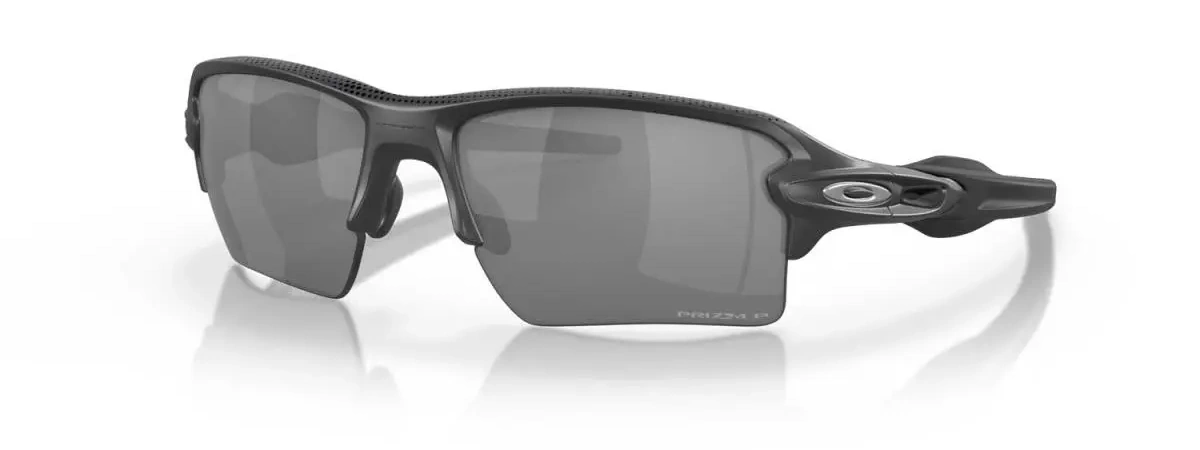
Now that we've covered the materials, the real question is how you plan to use your glasses.
A pair you wear to the office every day doesn't need the same characteristics as sunglasses you take running or cycling.
| Your lifestyle or needs | Recommended materials | Why they work |
|---|---|---|
| All-day prescription glasses | Titanium, acetate | Comfort and everyday practicality |
| Running and cycling | TR90, nylon | Lightweight and flexible |
| Driving | Titanium, acetate, stainless steel | Comfortable and stable fit |
| Beach and water activities | TR90, nylon, titanium | Suitable resistance to moisture and corrosion |
| Hiking and traveling | TR90, nylon | Lightweight and practical |
| Children's glasses | Flexible plastics, suitable memory metal | Comfortable and resistant to handling |
| Sensitive skin | Pure titanium, verified nickel-free materials | Lower risk of nickel-related irritation |
| Luxury fashion | Acetate, titanium, carbon fiber | Distinctive designs and premium finishes |
| Affordable everyday eyewear | Stainless steel, Monel, standard plastics | Practical and generally less expensive |
It's one of the most common questions when choosing eyeglasses.
Metal frames often have a slimmer, more understated appearance. Titanium in particular is an excellent choice if you want something light that you can wear comfortably throughout the day.
Plastic frames offer more freedom in colors and shapes. Acetate is particularly popular for fashion, while TR90 and nylon provide flexibility for sports and outdoor activities.
Neither is automatically better. It comes down to what you expect from your glasses.
For most everyday outdoor sports, TR90 and performance nylon are strong candidates.
They can be used to create lightweight wraparound sunglasses that stay securely in place during movement.
However, if you're playing a sport where impact from a ball, equipment or another player is possible, look for protective eyewear certified for that activity. Frame flexibility alone doesn't guarantee eye protection.
If you wear glasses for long hours, weight matters, but it's not everything.
A lightweight frame that constantly slides down your nose can be more annoying than a slightly heavier one that fits perfectly.
Pay attention to how the glasses sit on your nose, how tightly the temples hold your head and whether the frame creates pressure behind your ears.
Titanium and stainless steel are among the most durable choices for everyday use. TR90 and memory metal can be better when flexibility and resistance to bending are the main priorities. Durability also depends heavily on frame construction.
For lightweight, minimalist everyday glasses, titanium has clear advantages. Acetate is usually more versatile when it comes to colors, patterns and bold designs. Both can be excellent choices when properly fitted.
Titanium, aluminum, carbon fiber and certain engineering plastics can all produce very lightweight frames. The actual weight depends on the design, thickness, hinges and lenses.
Not necessarily. Carbon fiber can offer excellent stiffness and strength relative to its weight, but it is often less forgiving when bent. Titanium and other metals may perform better under certain everyday stresses.
For active use, TR90 often has an advantage because of its lightweight and flexible properties. However, quality acetate may be preferable for fashion eyewear or frames that require adjustment.
No. UV protection comes from the lenses, not the frame. When buying sunglasses, look for lenses that provide UV400 protection or block 99% to 100% of UVA and UVB radiation.
Choosing sunglasses or eyeglasses isn't just about finding a frame that looks good. The material can make a real difference in how comfortable your glasses feel and how well they suit your daily routine.
If you wear prescription glasses all day, titanium is one of the most appealing options thanks to its low weight and durability.
If style is your priority, acetate offers outstanding variety in colors, shapes and finishes.
For running, cycling and outdoor activities, TR90 and nylon are often the more practical choices because they're lightweight and flexible.
Stainless steel is a reliable, budget-friendly alternative for metal frames, while aluminum and carbon fiber offer something different for people who appreciate modern, technical designs.
Whatever you choose, don't judge a pair of glasses by its material or price alone. Try them on, pay attention to the fit and consider how you'll actually use them.
After all, the best glasses are the ones you enjoy wearing, feel comfortable in and can rely on every day.

| OPTION | ||||
| STANDARD | FREE | N/A | 4-9 Business Days | N/A |
| REGISTERED | $9 | $25 | 3-7 Business Days | 5-21 Business Days |
| EXPRESS | $29 | $45 | 2-7 Business Days | 3-9 Business Days |
* DAS and CES may apply.
DAS: There are certain locations in the world where the shipping carriers charge extra fees to deliver packages to these locations. These fees are called DAS (Delivery Area Surcharge) and are usually charged by the carrier in areas that are less accessible for pickups and deliveries.
CES: There are certain cases where the shipping carriers charge extra fees to deliver packages for several reasons, for example: exceeding certain dimensions or weight, perfumes, etc. These fees are called CES (Courier Extra Surcharge).
Handling time: Our handling time is 1-3 business days after the payment has been received.
Import Fees: Any customs or import duties are charged once the parcel reaches its destination country must be paid by the recipient of the parcel. We have no control over these charges and cannot predict what they may be. Customs policies vary widely from country to country. You can contact your local customs office for further information.
For some countries, we calculate Duty VAT, Taxes, etc. following the laws and import regulations of the destination country. These fees are calculated based on destination, item type, and country of origin, manufacture or assembly.