
WORLDWIDE SHIPPING

Good driving sunglasses should make the road easier to read without becoming a distraction themselves. For daytime use, that means dependable UV protection, controlled glare, natural color recognition and a frame that stays comfortable through a long drive.
Style still matters. Aviators, sport frames, square designer sunglasses and lightweight acetate styles can all work behind the wheel, but only if the lens and fit are appropriate. The best pair is the one you can put on and forget about while still seeing mirrors, instruments and traffic signals clearly.
At our sunglasses collection, you can compare classic and performance-oriented styles. Before choosing by appearance alone, use the practical checks below.
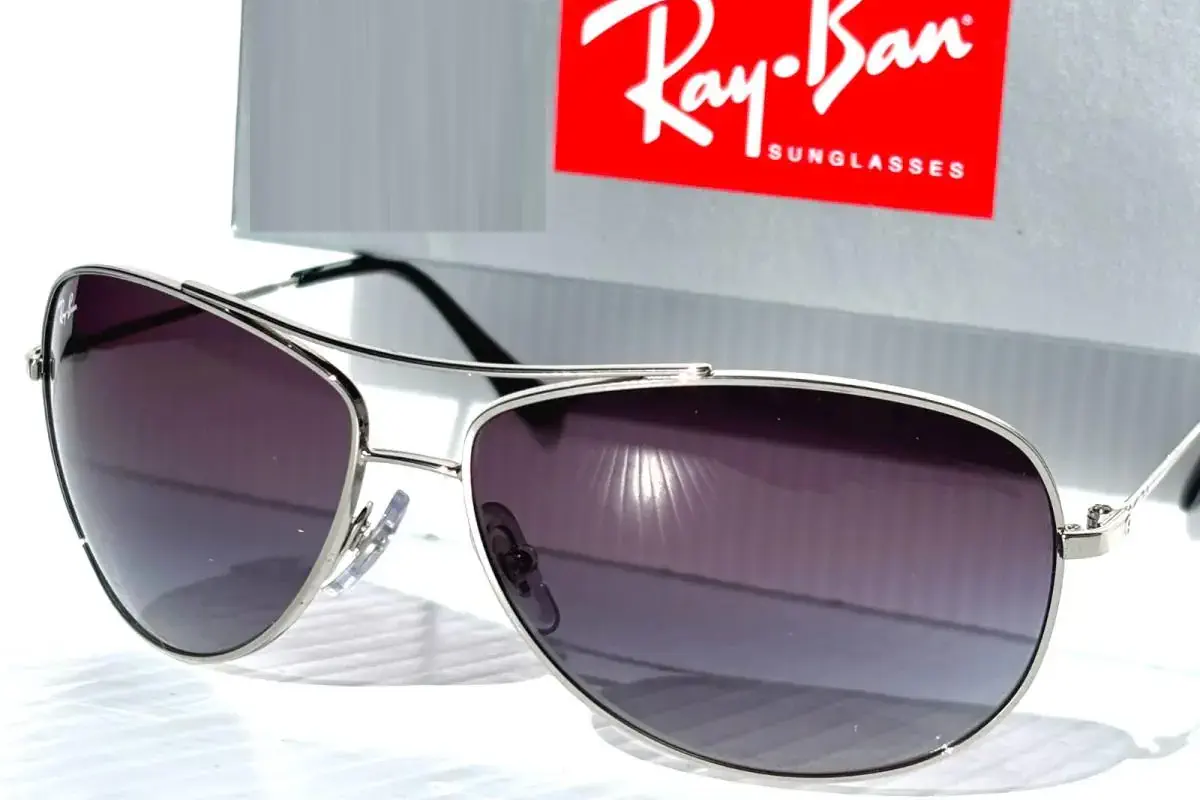
Start with UV protection. Look for lenses stated to provide UV400 or 100% UVA and UVB protection. Lens darkness is not a measure of UV protection, so a very dark fashion tint is not automatically safer than a lighter certified lens.
Next, consider glare. Polarized sunglasses can reduce reflections from wet roads, car hoods, glass, water and other flat surfaces. In strong sun, that can make lane markings and road texture feel less visually tiring.
Fit is the third part of the equation. Sit in your normal driving position and check the mirrors while wearing the frame. The temples should not create a blind spot, the bridge should not slide as you turn your head, and the lower rim should not interfere with the instrument panel. If the frame needs constant adjustment after 20 minutes, it is not a good driving frame regardless of how well it photographs.
For most bright daytime driving, polarization is useful, particularly when the sun is low or the road is wet. It can also help on coastal routes and open highways where reflected light remains in your field of view for long periods.
There is one important check: polarized lenses can make some LCD dashboards, navigation displays and head-up displays appear darker or show color shifts at certain angles. Put the sunglasses on inside your own car, look at every screen you routinely use and tilt your head slightly from side to side. If essential information becomes hard to read, try a different polarized lens or a non-polarized option.
Brands such as Maui Jim, Serengeti, Oakley, Costa Del Mar and Revo are worth comparing when glare control is a priority. Model examples already featured in this guide include Maui Jim MJ 249-2M Black Coral, Serengeti SS55600 Brawley, Oakley OO4110-04 Disclosure and Revo RE1181 Cobra. Always verify the exact lens specification of the colorway you are buying because the same frame can be sold with different lenses.
Lens color changes contrast and color perception. For driving, the aim is to reduce brightness while keeping traffic lights, brake lights, signs and lane markings easy to recognize.
Grey is a dependable all-purpose choice because it reduces brightness with relatively neutral color rendering. It works well for drivers who do not want the road scene to look noticeably warmer or cooler.
Brown, amber and copper tints can make contrast feel more pronounced in variable light. They also pair naturally with tortoise, bronze and warm-toned frames. The exact effect depends on lens density, so check the tint outdoors rather than relying on a product photo.
Green lenses remain closely associated with classic aviator and heritage eyewear. They can offer a comfortable balance between brightness reduction and natural-looking colors. If you are browsing Ray-Ban, examples in this guide include RB 3293 004/9A and RB 2240 1440/58 Wayfarer. Confirm that the specific version has the lens properties you want.
Strong pink, blue, red or highly mirrored fashion lenses can be attractive, but some alter color perception more than is desirable for driving. If a tint makes brake lights or signal colors look less distinct, reserve that pair for non-driving use.
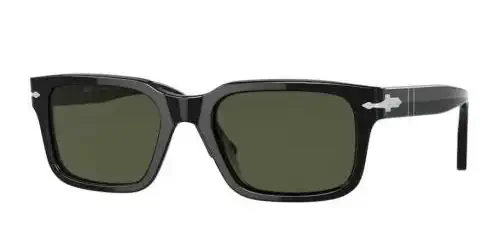
There is no single ideal frame shape. What matters is coverage, peripheral vision, stability and comfort on your face.
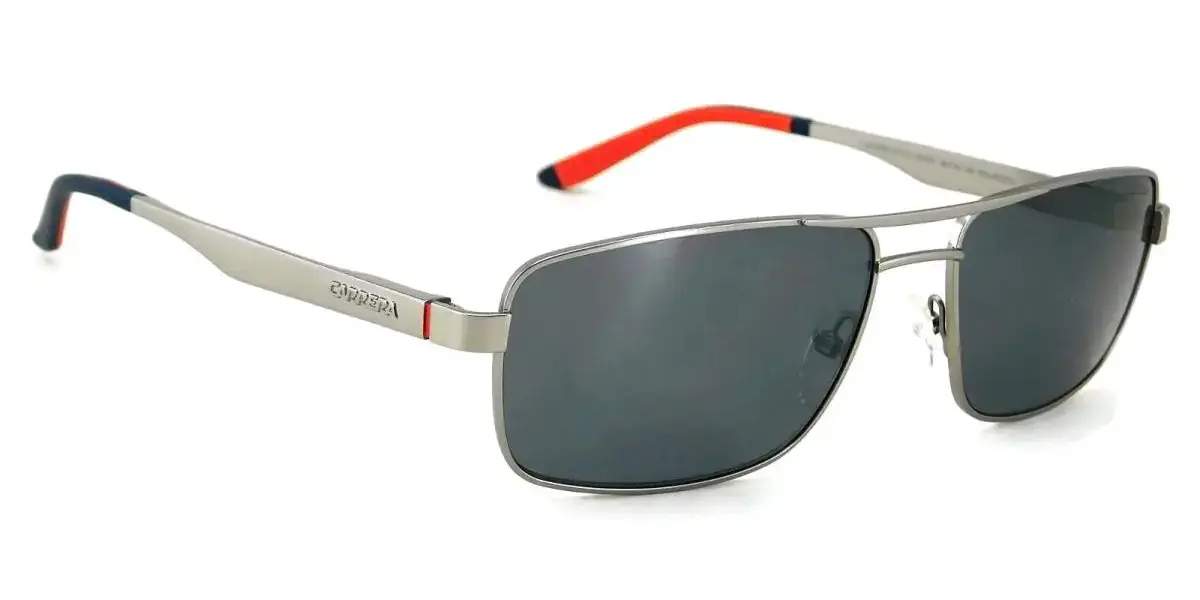
Aviators combine broad lens coverage with relatively slim temples, which can work well for mirror checks. For a classic direction, compare Ray-Ban, Carrera and Serengeti. Model examples already mentioned in the article include Ray-Ban RB 3293 004/9A, Carrera CA8011S OR81 and Serengeti Maestrale.
When trying an aviator, check the nose pads carefully. If they leave deep marks or allow the frame to slide when your face warms up, the fit will become irritating on a long drive.
Sport frames suit drivers who want a secure fit and more wraparound coverage. Oakley, Smith Optics, Costa Del Mar and Maui Jim are strong names in this category. Oakley OO9291-03 Game Changer, Oakley OO4110-04 Disclosure, Maui Jim MJ 410-11B Waterman and Maui Jim MJ 249-2M Black Coral are examples already included in the guide.
Wrap can improve coverage, but inspect the outer edges of the lenses for distortion. Move your eyes from the center toward the mirrors without turning your head. If straight lines appear to bend noticeably at the edge, try another lens geometry.
Square frames work well for drivers who want a polished city look that continues beyond the car. Browse brands such as Tom Ford, Persol, Gucci and Prada. Persol PO 3350S, Persol 0PO3393S Guido 95/M3 and Persol 3272/S are examples already referenced in this guide.
With thicker designer frames, pay particular attention to temple width. A bold side profile can look excellent but should not obstruct your peripheral view when you glance toward a side mirror.
Lightweight acetate or injected-plastic frames can be very comfortable for daily driving. Check that the bridge distributes pressure evenly and that the hinges open smoothly without obvious side-to-side play. Comfort over 30 to 60 minutes is more meaningful than the first few seconds in front of a mirror.
Different brands emphasize different combinations of styling, fit and lens technology. Compare the exact model rather than assuming every frame from one brand performs the same way.
Ray-Ban remains an easy choice for classic shapes, including aviators and Wayfarer-style frames. Model examples in this article include RB 3293 004/9A, RB 2240 1440/58 Wayfarer and RB 2224. Check the lens code because polarized and non-polarized versions can look very similar online.
Oakley suits drivers who prefer lighter, more technical frames. OO4110-04 Disclosure, OO9291-03 Game Changer and OO9430-0357 Actuator SQ are examples already listed here. For any sport frame, verify that the wrap does not create distracting edge distortion for your eyes.
Maui Jim is closely associated with polarized eyewear and works well for strong sun and reflected glare. MJ 249-2M Black Coral, MJ 410-11B Waterman and MJ 554-16UTD Fair Winds are examples in the article. As with any polarized pair, test dashboard visibility in your own vehicle.
Serengeti has a long-standing driving focus and offers models with lens technologies aimed at changing light. Examples noted in this guide include SS55600 Brawley, Leonora 8842 and Maestrale. Check the exact lens description because photochromic and polarized specifications can differ by version.
Persol is a strong choice for drivers who prefer a refined, heritage look. PO 3350S 95/58, PO3125S 24 57, Persol 3272/S and 0PO3393S Guido 95/M3 are examples already mentioned in this guide. When handling a pair, look for smooth hinge movement and even temple alignment rather than judging quality by weight alone.
Revo, Costa Del Mar and Smith Optics appeal to buyers who spend a lot of time around open roads, water and bright outdoor conditions. Revo RE1181 Cobra, RE116801GY Descend O and RE4071 Harness are examples already included in the article.
Avoid lenses that are so dark that shaded roads, tunnels or dashboard details become difficult to read. For driving, more darkness is not automatically more protection.
Avoid frames that noticeably block side vision. Thick temples can interfere with mirror checks on some faces, while extreme wrap can create optical distortion for some wearers.
Be cautious with lenses that heavily alter signal colors. Traffic lights, brake lights and road signs should remain easy to identify.
Regular sunglasses should not be worn for night driving. If nighttime glare is a problem, start with a clean windshield, an up-to-date vision check when appropriate and properly functioning vehicle lighting rather than adding a dark tint.
| Feature | Why It Matters for Driving | Practical Check |
|---|---|---|
| UV400 or 100% UV protection | Helps protect the eyes from UV exposure. | Verify the stated specification rather than judging by lens darkness. |
| Polarized lenses | Can reduce reflected glare from roads, glass and water. | Test your dashboard, navigation screen and head-up display before daily use. |
| Grey, brown, amber, copper or suitable green tint | Can reduce brightness while maintaining useful road contrast. | Check traffic-signal and brake-light colors outdoors. |
| Comfortable, secure fit | A frame should not slide, pinch or demand adjustment while driving. | Wear it for at least 20 to 30 minutes and turn your head as you would for mirror checks. |
| Good side visibility | Peripheral vision matters for lane changes and intersections. | Make sure temples and lens edges do not create distracting blind spots or distortion. |
The best driving sunglasses are comfortable enough to disappear on your face and optically calm enough that you stop thinking about the lenses. UV protection comes first, followed by glare control, natural color recognition, stable fit and clear peripheral vision.
If you prefer classic styling, Ray-Ban or Persol are natural places to start. For a more performance-led approach, compare Oakley, Maui Jim, Serengeti, Costa Del Mar, Revo and Smith Optics. Designer frames from Tom Ford, Gucci or Prada can also work well when the lens and temple design remain practical behind the wheel.
Whichever style you choose, verify the exact lens version and test it in the car you actually drive. That simple check tells you more about real-world suitability than a product photo or marketing description.

| OPTION | ||||
| STANDARD | FREE | N/A | 4-9 Business Days | N/A |
| REGISTERED | $9 | $25 | 3-7 Business Days | 5-21 Business Days |
| EXPRESS | $29 | $45 | 2-7 Business Days | 3-9 Business Days |
* DAS and CES may apply.
DAS: There are certain locations in the world where the shipping carriers charge extra fees to deliver packages to these locations. These fees are called DAS (Delivery Area Surcharge) and are usually charged by the carrier in areas that are less accessible for pickups and deliveries.
CES: There are certain cases where the shipping carriers charge extra fees to deliver packages for several reasons, for example: exceeding certain dimensions or weight, perfumes, etc. These fees are called CES (Courier Extra Surcharge).
Handling time: Our handling time is 1-3 business days after the payment has been received.
Import Fees: Any customs or import duties are charged once the parcel reaches its destination country must be paid by the recipient of the parcel. We have no control over these charges and cannot predict what they may be. Customs policies vary widely from country to country. You can contact your local customs office for further information.
For some countries, we calculate Duty VAT, Taxes, etc. following the laws and import regulations of the destination country. These fees are calculated based on destination, item type, and country of origin, manufacture or assembly.